Precision Engineering, Sustainable Impact
SOLUTIONS
SOLUTIONS

What is SRF & RDF?

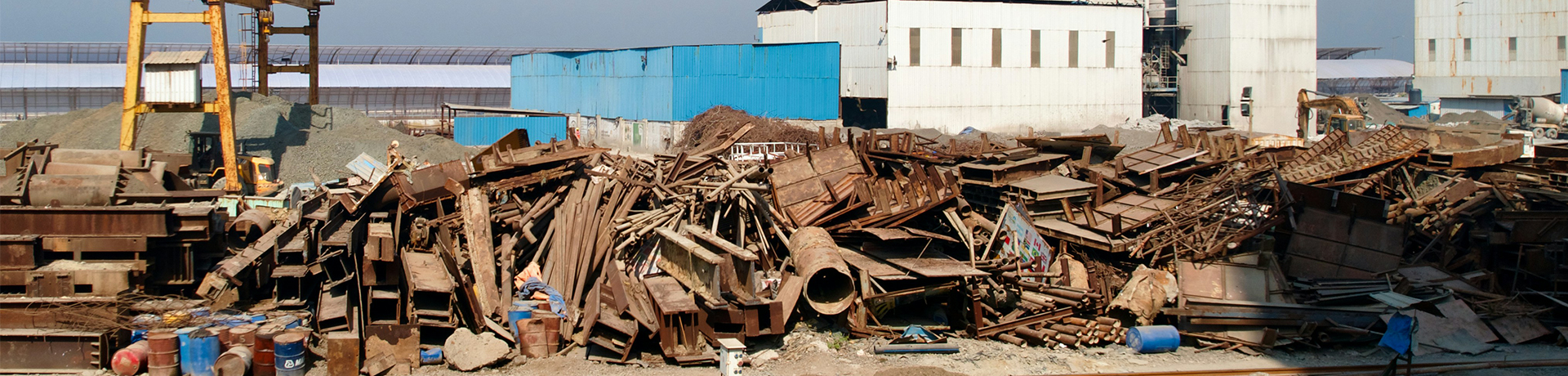
Mixed and heterogeneous feedstock often leads to excessive chlorine and sulfur levels in SRF, increased ash content, and accelerated equipment wear. Chlorine-containing materials can generate corrosive hydrogen chloride (HCl) at high temperatures and may also trigger carcinogenic dioxin emissions. In addition, non-standard products—with inconsistent particle size and density—are difficult to match the operational requirements of cement kilns or power plants, resulting in co-firing ratios that typically remain below 10%.

What can we do,our superiority

How does our machine work?
JONO Innovative Technology provides a full-chain SRF solution, integrating AI-powered sorting and intelligent detection technologies to ensure controlled chlorine and sulfur content and compliant emissions. It significantly improves resource recovery efficiency and increases co-firing ratios to regulatory limits, while minimizing equipment wear and extending kiln lifespan. Powered by a digital platform that monitors and optimizes the entire production process, JONO’s solution also supports carbon reduction goals, access to policy incentives, and reliable environmental compliance.
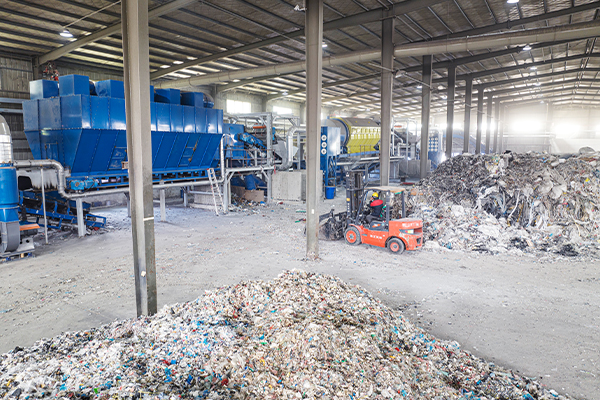
Refuse-derived fuel (RDF) is a combustible material recovered from municipal solid waste through processes such as sorting and shredding. Depending on the processing method and the final fuel form (including material size and whether it is solid, liquid, or gaseous), RDF can be classified into different grades and used in various types of incineration facilities.
Back-end recycling

INPUT MATERIALS

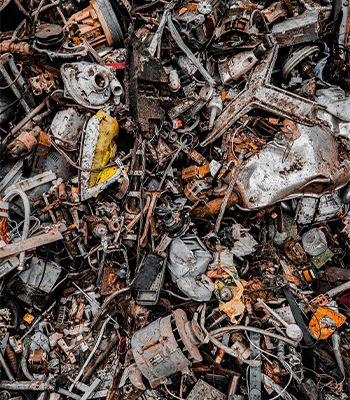
Industrial waste

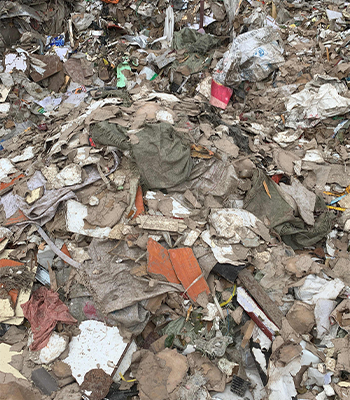
combustibles

OUTPUT MATERIALS
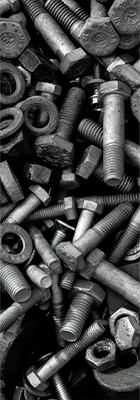
metals

PVC

soil and fines

combustible fractions

inert materials
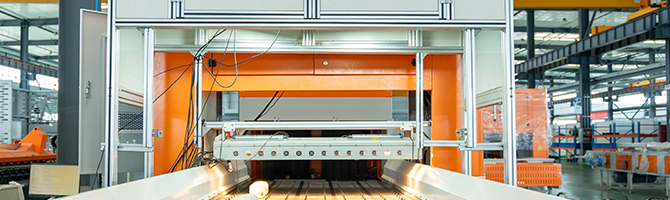
1AI Multi-Spectral Sorting Technology
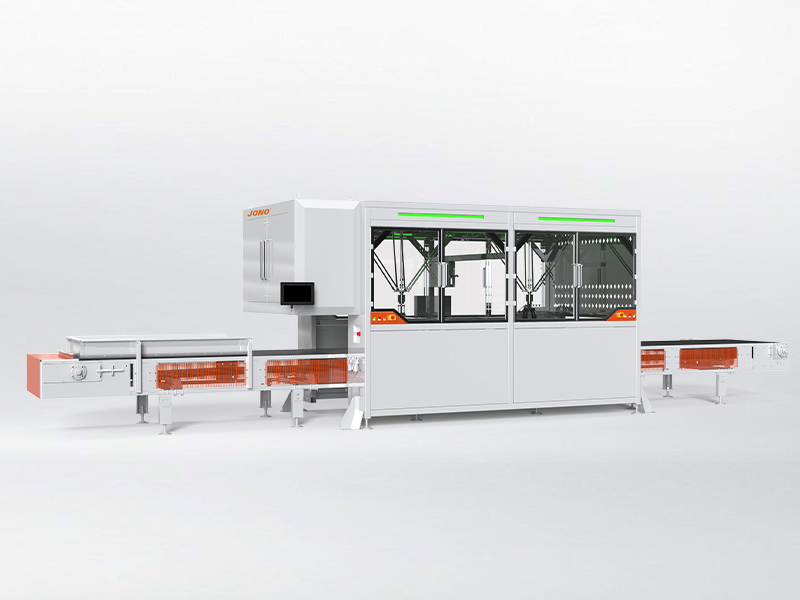
By integrating visible light, near-infrared (NIR), and XRF sensors, the system identifies materials in real time, effectively addressing feedstock variability and inconsistent waste batches.
2Eddy Current Metal Separation Technology
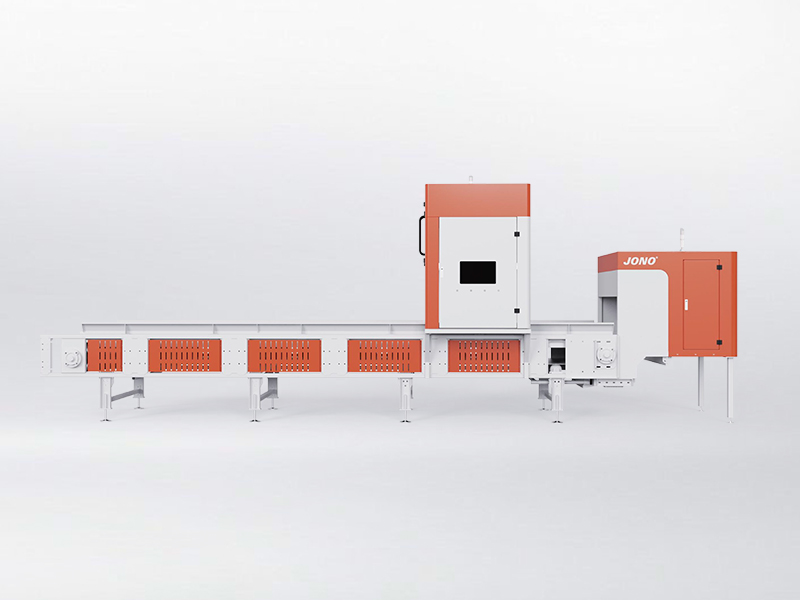
Based on the principle of electromagnetic induction, the system rapidly separates non-ferrous metals such as copper, aluminum, and brass, preventing severe wear on downstream crushers and kilns caused by metal fragments.
Core technologies
01
Intelligent Full-Chain Sorting for Premium SRF QualityOur
AI-powered full-chain sorting combines technilogies like visible-light recognition, eddy current separation, and air separation to precisely remove heavy metals, high-chlorine materials, and metallic contaminants. With sorting purity over 90% and heavy metal removal rates above 95%, the fully automated process ensures stable, compliant feedstock while minimizing corrosion, slagging, and dioxin formation risks.
02
Optimized Two-Stage Crushing for Maximum Co-Firing
The “coarse + fine” crushing strategy optimizes particle size distribution: coarse crushers handle high-impurity materials for high throughput and safety, while fine crushers control particle size to 30–80 mm. This improves combustion uniformity and boosts cement kiln and power plant co-firing ratios from below 10% to regulatory limits, enhancing overall equipment adaptability.
03
cost reduction and efficiency improvement
Intelligent sorting improves recovery of metals and combustible fractions, increasing resource value. Equipment failure rates are reduced by 30–50%, lowering maintenance costs. Using SRF as a coal substitute reduces fuel costs by 30–40%. Fully aligned with carbon reduction policies, the system may also benefit from tax incentives and subsidies, achieving both economic and environmental gains.
Our Project Cases
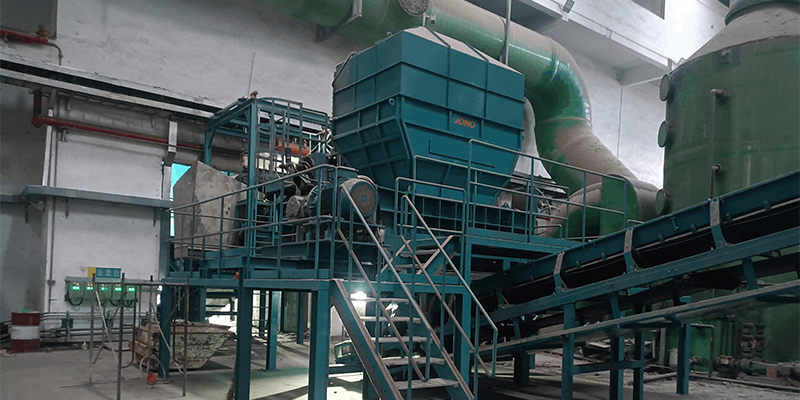
Senge Environmental Industrial Waste Shredding & Sorting Project

Senge Environmental Industrial Waste Shredding & Sorting Project

China

100 T/D

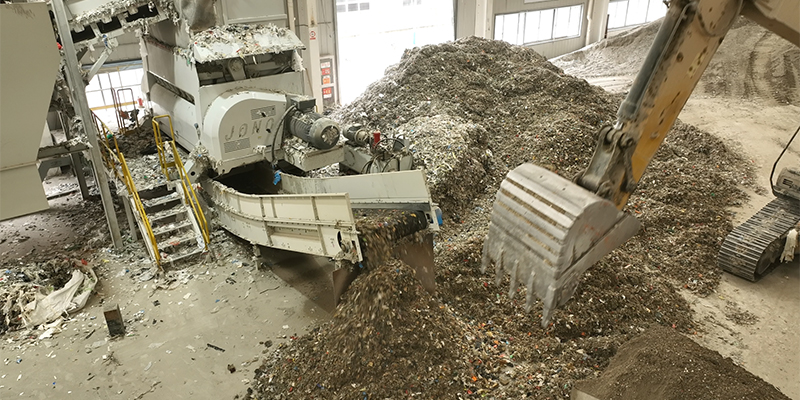
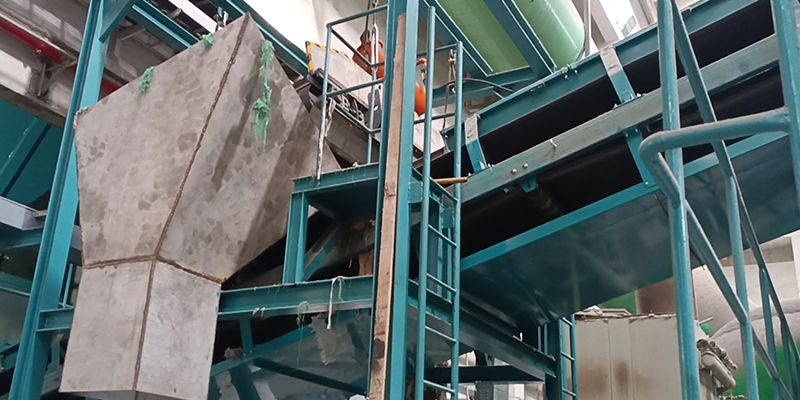
This project mainly processes combustible fractions recovered from general industrial solid waste and construction waste, with a daily processing capacity of 100 tonnes.

The system adopts the following process flow:Primary Shredding + Metal Separation + Particle Size Screening + Density Separation + Secondary Shredding

Inorganic components (such as bricks, stones, fine sand with particle size < 20 mm, etc.) are separated from the waste stream, while combustibles are shredded to a uniform particle size (≤ 100 mm) via two-stage shredding.

The system can be optionally equipped with a baler for packaging, or directly loaded for transportation to cement kilns for co-processing or for external sale.

Outputs:Metals, inert non-combustible materials, sand & stones, and SRF.


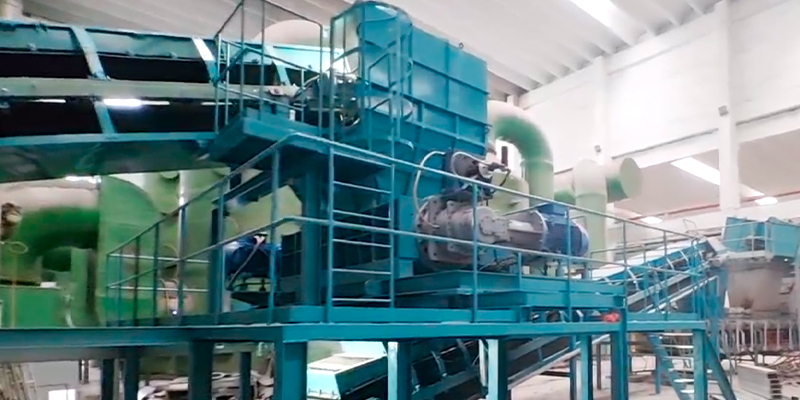
Aituo Industrial Waste Treatment Project

Aituo Industrial Waste Treatment Project

China

100 T/D

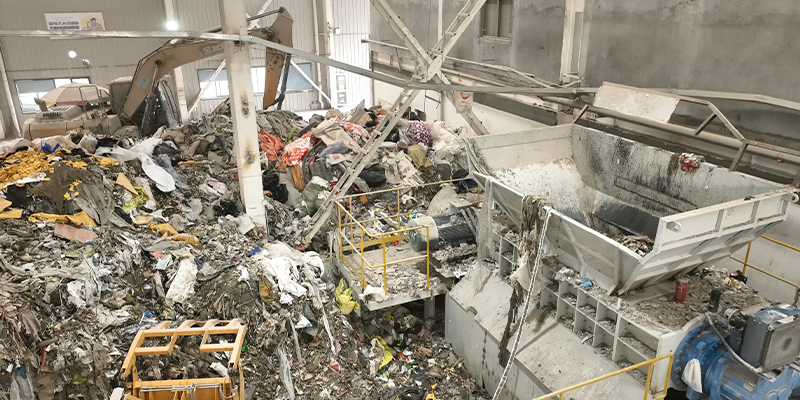
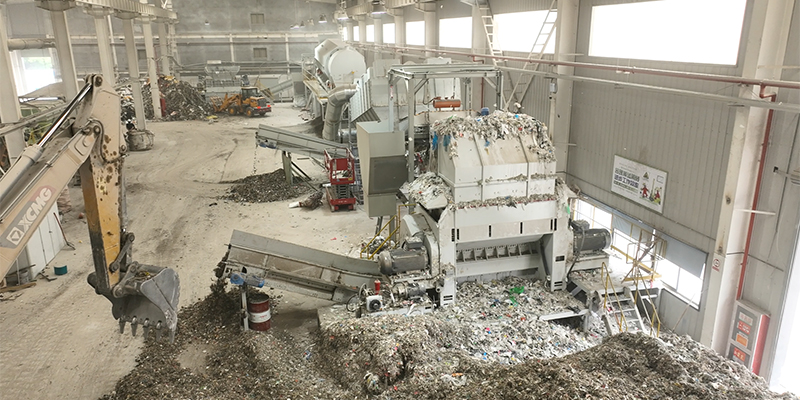
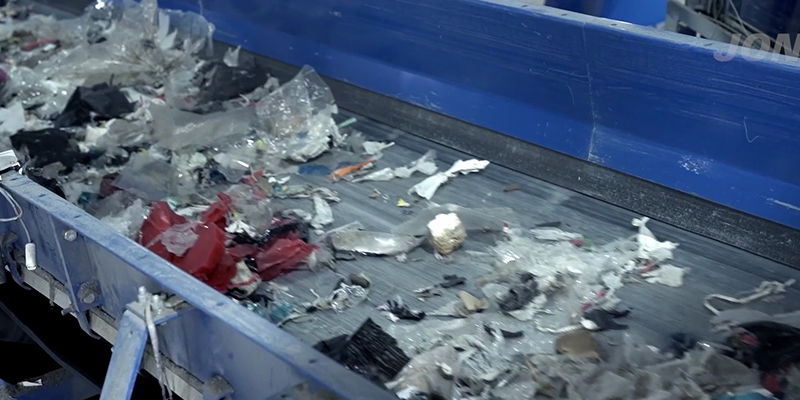
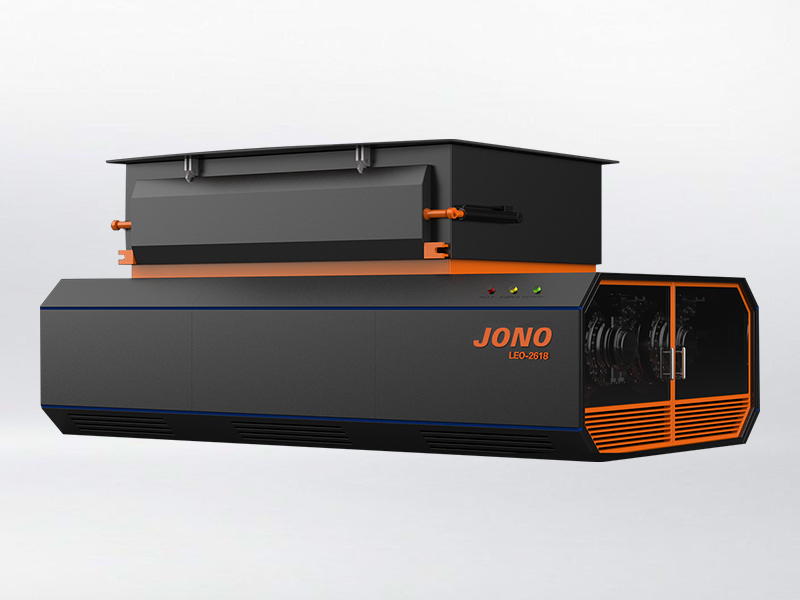
The project mainly processes combustibles sorted out from a mixture of general industrial waste and C&D waste, with a processing capacity of 100 tons per day.The system follows a“coarse crushing + ferrous metal separation + fine crushing”process route and consists of a coarse crusher, an electromagnetic self-uoloading magnetic separator, and a fine crusher.

Material size after the two-stage crushing process: 85% by weight ≤150 mm, although some flexible materials may exceed 150 mm.


Guangdong Industrial Waste Crushing & Baling Project

Guangdong Industrial Waste Crushing & Baling Project

China

200 T/D

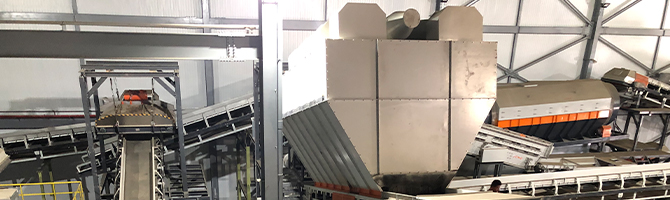
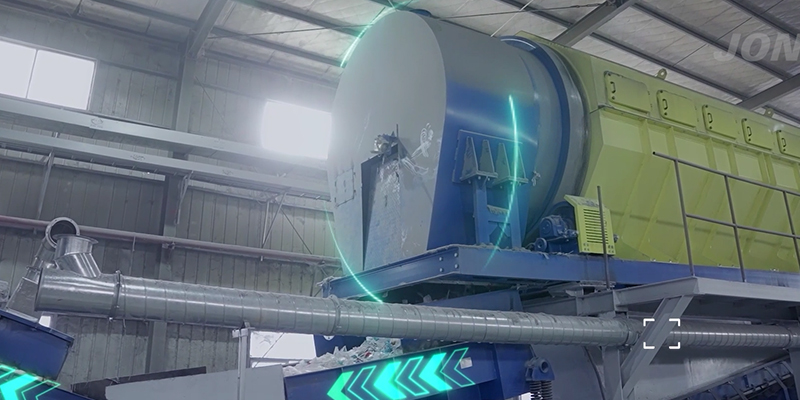
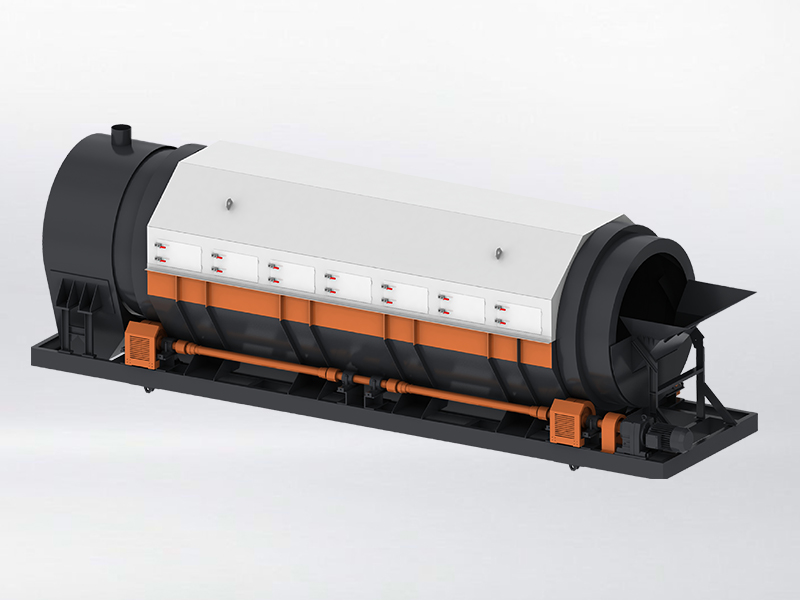
This project primarily processes general industrial solid waste, with a processing capacity of 200 t/d. The system follows a “coarse crushing + particle size screening + density separation + fine crushing” process route and consists of a coarse crusher, an electromagnetic self-uploading magnetic separator, a trommel screen, a high-pressure density separator, and a fine crusher.

After coarse crushing and trommel screening, material undergoes secondary iron removal to eliminate ferrous metals. It then enters a high-pressure density air separator, which separates light and heavy fractions. Heavy fractions drop into a temporary inert material storage area, while light fractions are conveyed to the fine crusher for further particle size reduction.

The processed material is then conveyed to a distribution belt and can follow two routes:

Main route: directly transported to the baling and wrapping system for packaging, with uniform bales stacked in the product storage area.

Bypass route: sent to the briquetting/granulation system, with the final granulated products stacked in the granulated product storage area.
Related Equipment