Precision Engineering, Sustainable Impact
SOLUTIONS
SOLUTIONS
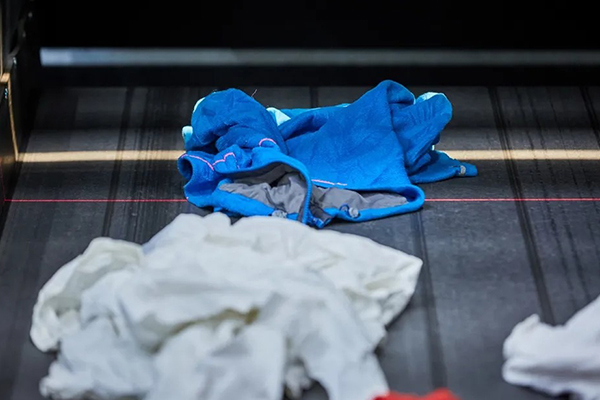
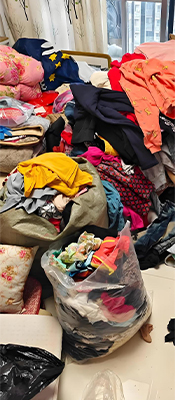
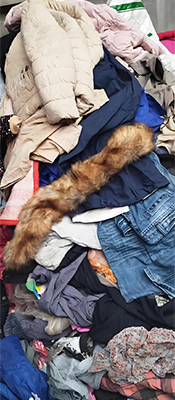
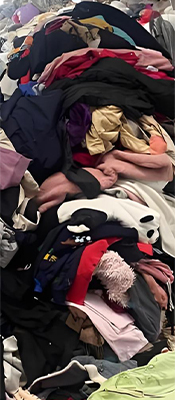
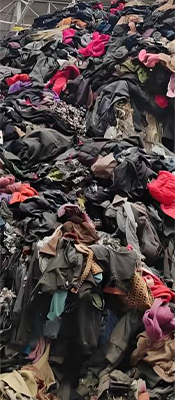
What is Waste Textile?
Recycling of waste textiles is an important measure to promote green development. the industry still faces several challenges, especially in the pre-treatment and sorting stage. The complexity of mixed materials and components, along with insufficient automation in sorting technologies, results in low efficiency and high costs, becoming a key bottleneck that restricts large-scale and high-value utilization.
What can we do,our superiority
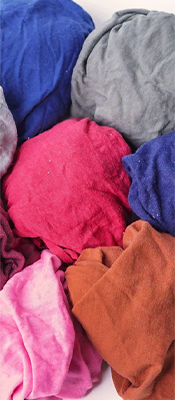
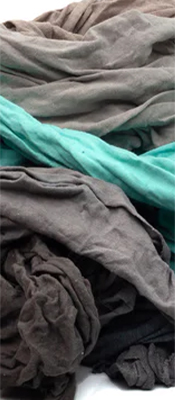
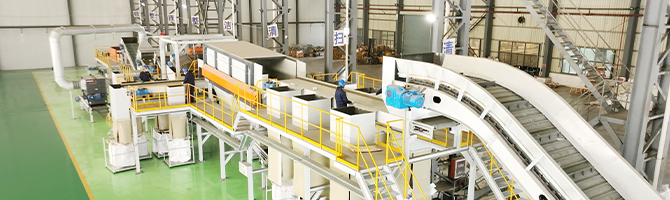
We focus on the recycling and resource utilization of waste textiles, providing a complete physical recycling solution tailored to this field. Our solution covers the entire chain from intelligent sorting of used clothing, precise cutting, thorough impurity removal to high-value utilization.
At the core of the solution is the integration of hyperspectral imaging recognition with intelligent algorithms, combined with customized cutting processes. This helps overcome the limitations of traditional sorting methods, ensures the purity of recycled materials and supports customers in developing applications such as recycled fibers and other value-added uses.
1Intelligent Detection & High-precision Recognition Technology
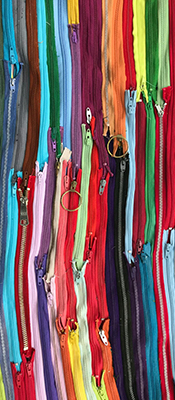
The system integrates hyperspectral recognition, machine vision and X-ray technology to achieve textile component analysis (≥98%), color classification (≥98%) and hard object detection. Hyperspectral technology identifies fiber materials, vision algorithms accurately recognize colors, and X-rays simultaneously detect metal/hard foreign objects (such as buttons, zippers), ensuring efficient and safe sorting.
2Self-optimization & Flexible Deployment
The system integrates self-learning algorithms with autonomous model updates to continuously improve recognition accuracy, adapt to new fabric types, and filter out abnormal data, ensuring reliable performance over time. It supports remote debugging to reduce maintenance costs. A modular conveying design allows flexible adjustment of conveyor layout and quantity, enabling the system to fit different plant structures and capacity requirements, and to be deployed and expanded quickly.
01
High sorting accuracy and efficiency, addressing industry challenges
Relying on self-developed and AI core technologies, the system enables accurate identification of textile composition and foreign objects in waste textiles. It achieves over 98% accuracy in pure composition identification, with an error rate of ≤2% for blended fabrics. The sorting speed reaches 1.5 seconds per piece, improving efficiency by 5–8 times compared with manual sorting. This effectively resolves key industry challenges such as difficulty in separating blended fabrics, low accuracy, and low efficiency, while significantly improving resource utilization.
02
High flexibility and easy adaptation, lowering site requirements
The modular design allows the conveying system to be flexibly configured, expanded, or reduced to suit different plant sizes and layouts. It can meet the large-scale sorting needs of major waste textile plants as well as the lighter processing requirements of small and medium-sized enterprises, without the need for extensive site modification, thereby reducing upfront investment.
03
Smart operation and maintenance, reducing labor costs
The system features AI self-learning, autonomous model updates, and remote debugging. There is no need for manual model adjustment, making operation and maintenance simpler in the long term. Remote debugging enables off-site technical support, reducing on-site personnel requirements. It also replaces traditional manual sorting, lowering labor costs and reducing operational risks, allowing workers to transition from repetitive sorting tasks to more skilled roles.
04
Value-added utilization, increasing customer returns
Through precise sorting, waste textiles are separated into high-purity single-componet and fixed-ratio blended raw materials, which can be directly used in high-end recycling applications such as recycled garments and automotive interiors. Compared with traditional low-value utilization, the value per unit of material can increase by 3–5 times. At the same time, it reduces waste and improves resource utilization, further increasing customer profitability and supporting higher-value transformation.
05
Compliance and environmental friendliness
The entire process does not generate harmful gases or wastewater and meets national environmental standards as well as carbon reduction requirements. It helps customers comply with environmental regulations and reduces compliance risks. It also supports green certification, enhances corporate environmental image, aligns with global green supply chain trends, and strengthens market competitiveness.