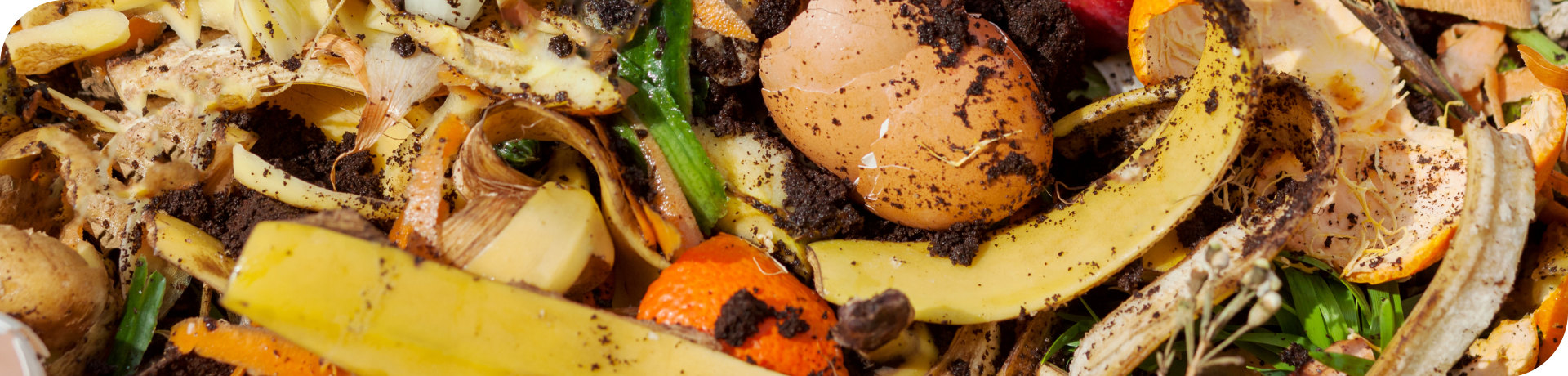
INPUT MATERIALS

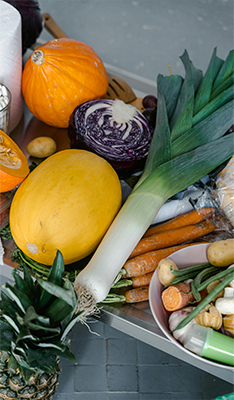

kitchen waste
leftover rice
vegetable leaves

OUTPUT MATERIALS

Oils
Energy (e.g., biogas)
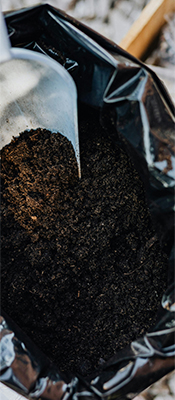
Solid organic fertilizer
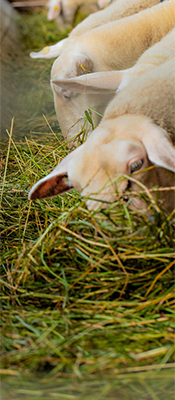
Animal and aquaculture feed
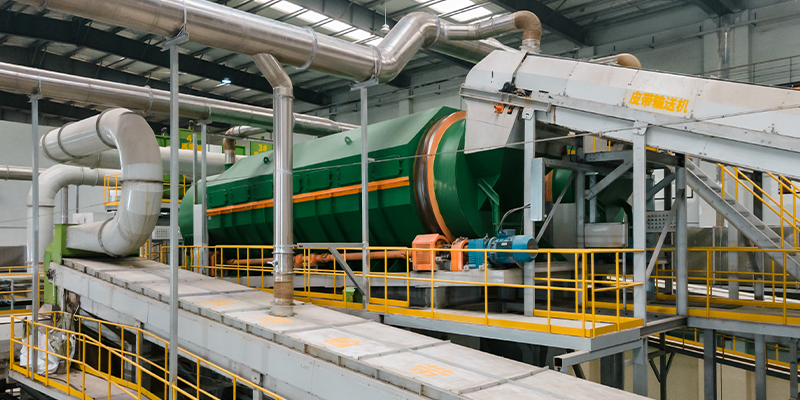
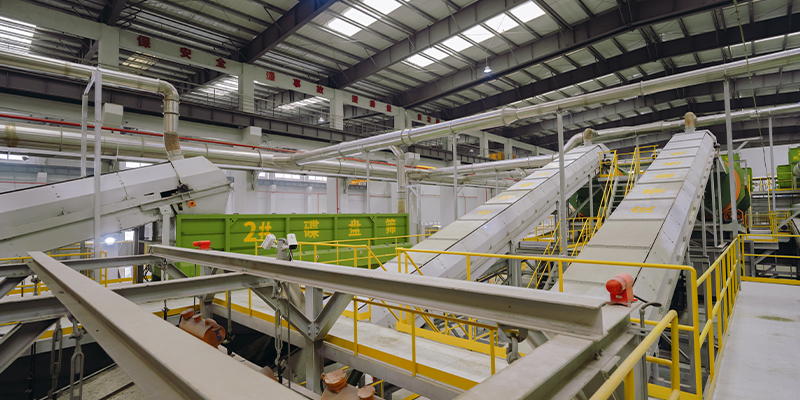
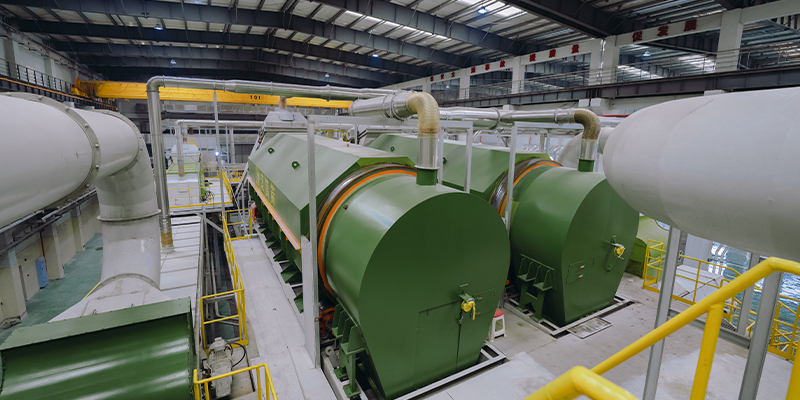
China
500 T/D
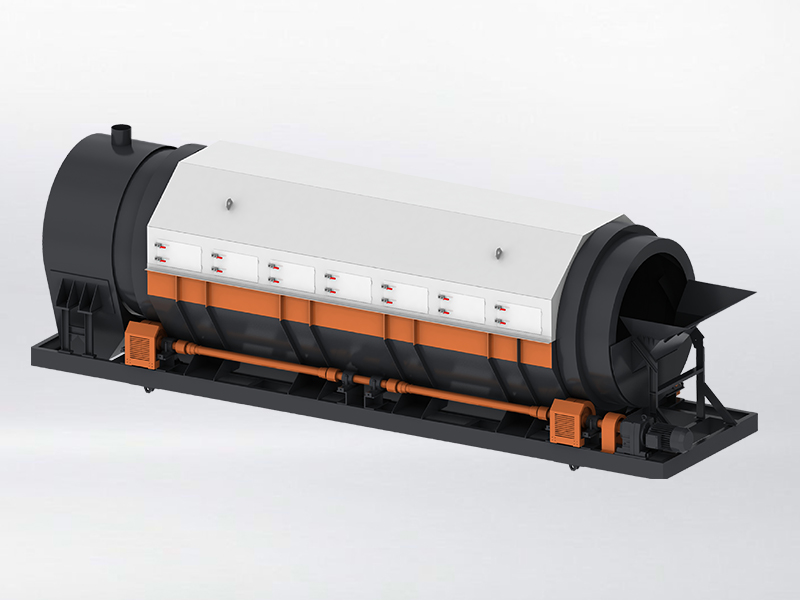
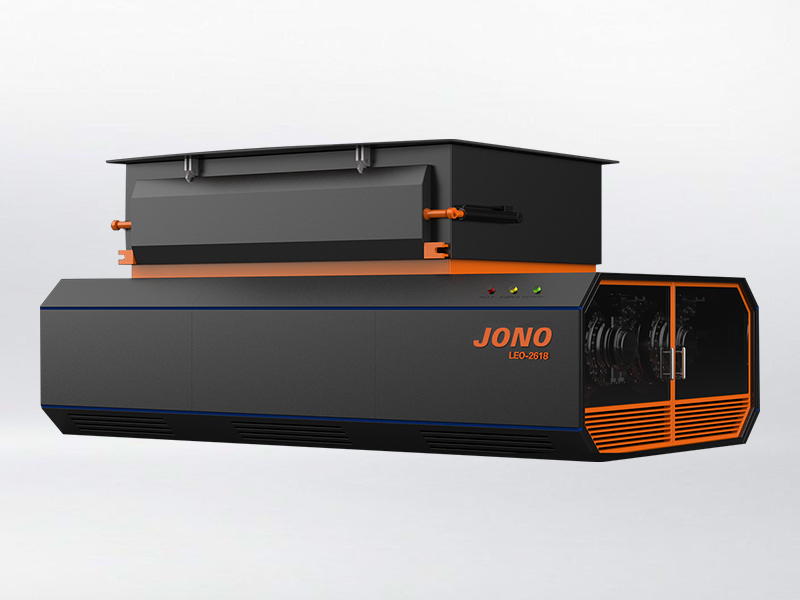
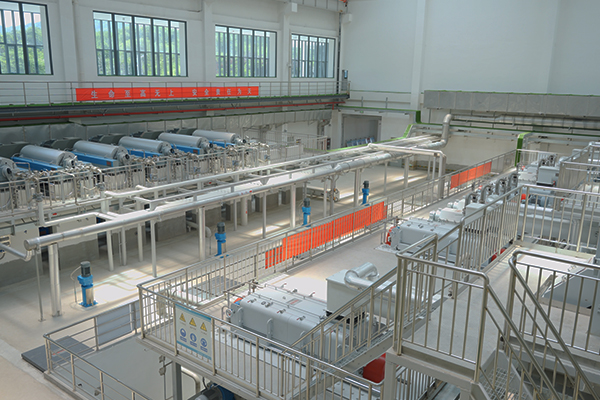
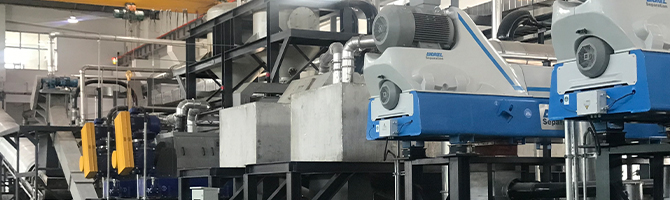
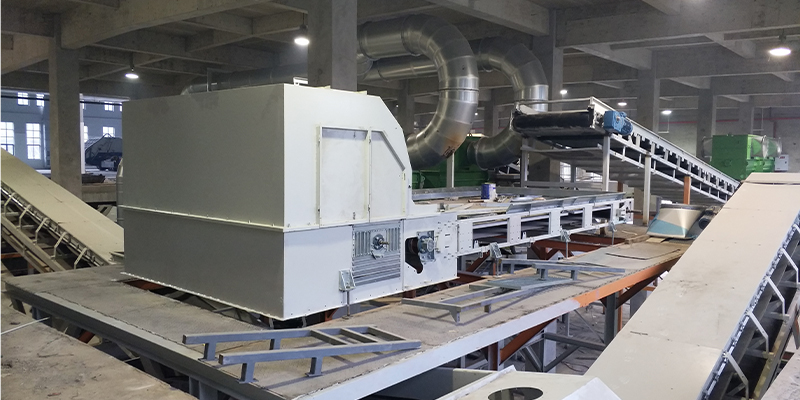
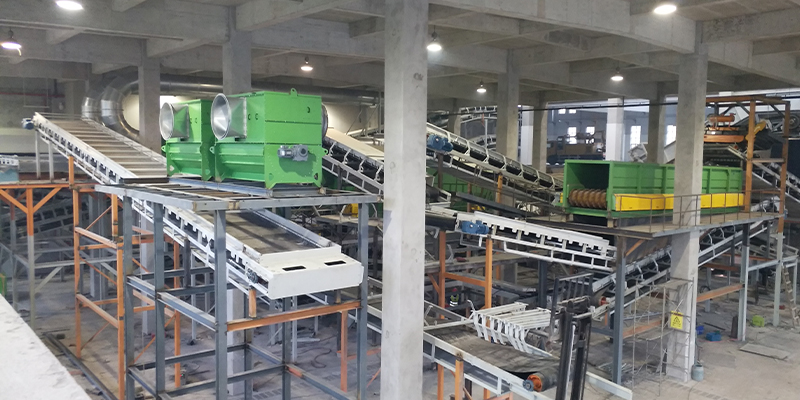
The Chongqing Luoqi Kitchen Waste Treatment Project was put into use in 2021 with a designed capacity of 500 tons per day, primarily handling household kitchen waste from the main urban area of Chongqing. Household kitchen waste in Chongqing contains a high proportion of impurities, so the facility employs a pre-sorting process combining crushing, two-stage screening, negative-pressure air separation, optical-electrical sorting, extrusion, wet anaerobic digestion, dry anaerobic digestion, resource recovery (plastics), and incineration.
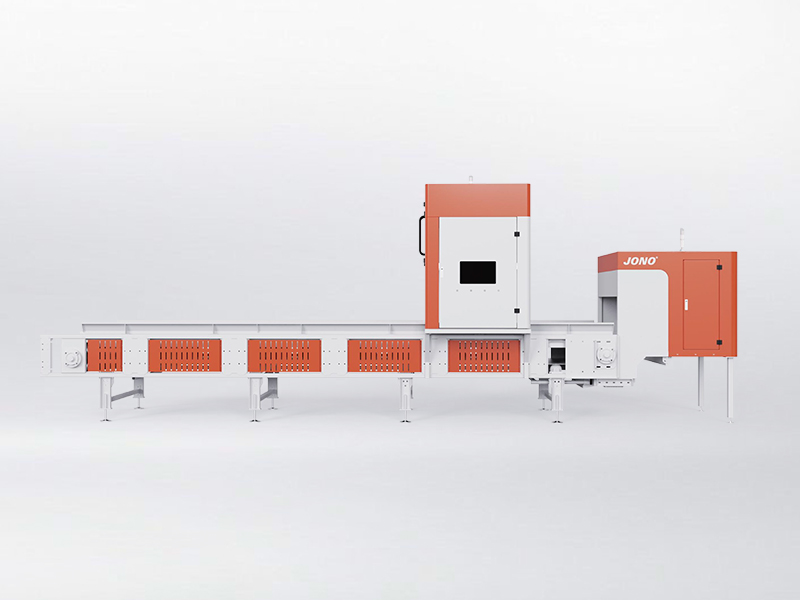
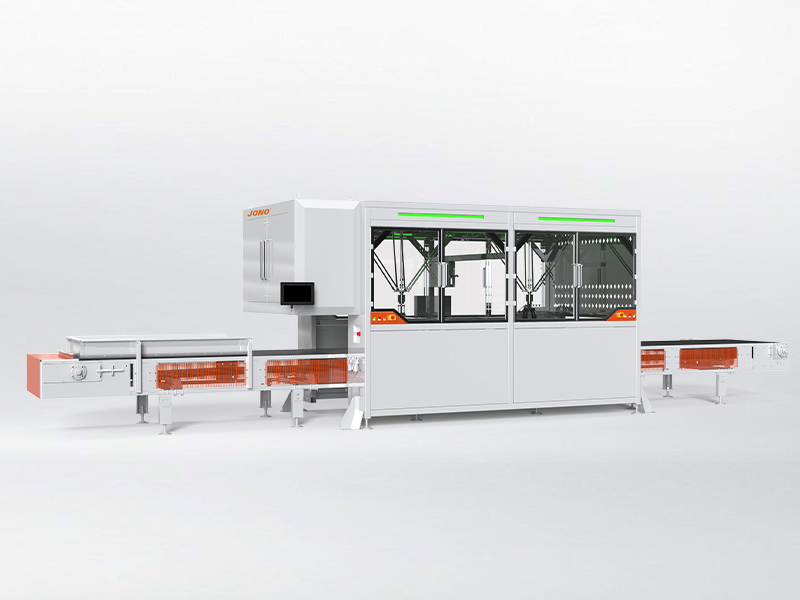
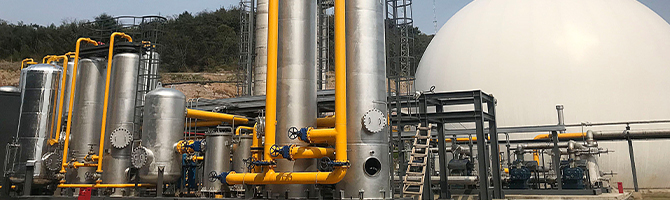
This approach effectively removes impurities, with plastics recovered from the kitchen waste using optical-electrical sorting technology. The remaining organic matter is fed into a dry anaerobic digestion system, where under anaerobic conditions and the action of natural or inoculated microorganisms, it is converted into carbon dioxide and methane. The methane is then collected, purified, and used to provide heat for on-site boilers, enabling energy recovery from the waste.
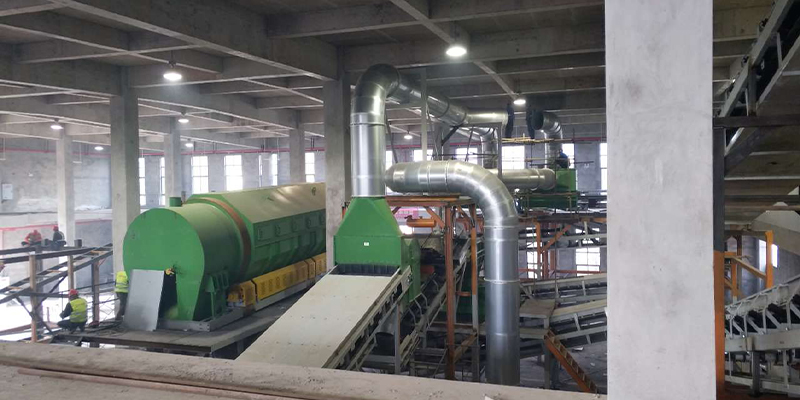
China
400 T/D
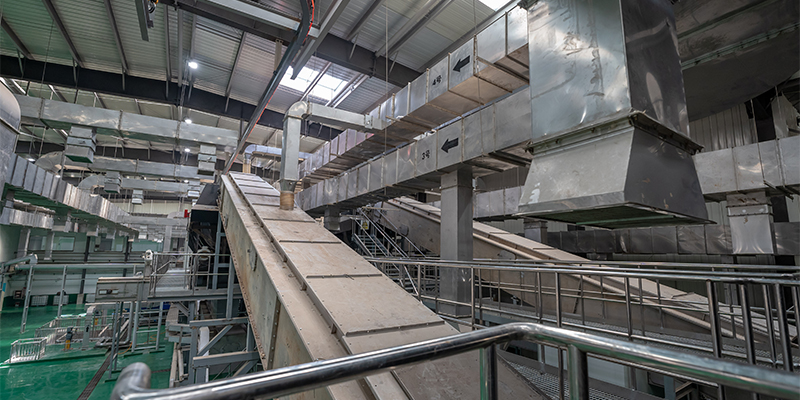
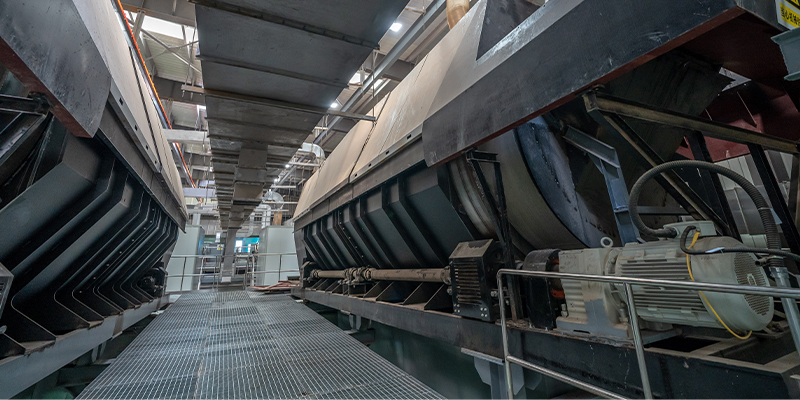
The Chongqing Xiajiaba Kitchen Waste Treatment Project was put into use in 2020 with a designed capacity of 400 tons per day, serving both waste treatment and transfer needs for central Chongqing. Household kitchen waste in the city contains a high level of impurities, so the facility employs a pre-sorting process consisting of crushing, two-stage screening, negative-pressure air separation, optical-electrical sorting, off-site disposal, and resource recovery (plastics).
This process effectively removes impurities, with plastics recovered from kitchen waste using optical-electrical sorting technology. The remaining organic matter and screened combustible materials are then transported to dry anaerobic digesters and incineration facilities for further processing.
China
400 T/D
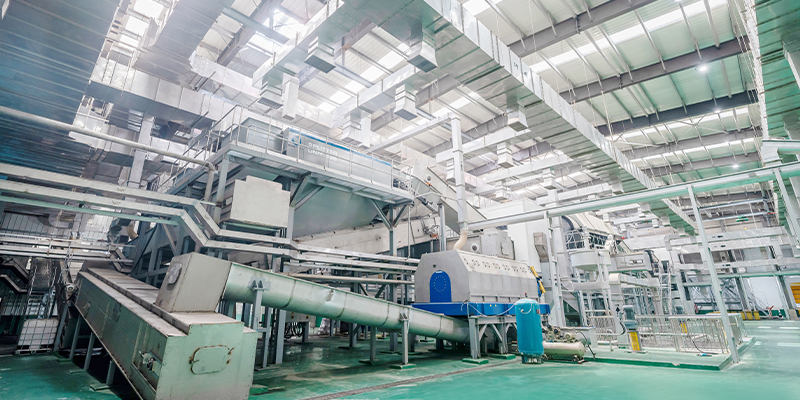
The Hefei Xiaomiao Kitchen Waste Treatment Project began construction in 2020 and has now entered the trial operation stage. The facility is designed to process 400 tons of kitchen waste per day and includes systems for kitchen waste pre-treatment, dry anaerobic digestion, wet anaerobic digestion, wastewater treatment, biogas purification, and biogas power generation.
During pre-treatment, kitchen waste undergoes bag-breaking, two-stage screening, magnetic separation, and extrusion to remove impurities. The remaining organic solids are fed into the dry anaerobic digestion system, while the liquid fraction, after sand and impurity removal, enters the wet anaerobic digestion system.
Biogas generated from the anaerobic systems is used for boiler heating or grid-connected power generation. The digestate produced is dewatered and, together with impurities separated in the pre-sorting process, is transported off-site for incineration.