Precision Engineering, Sustainable Impact
SOLUTIONS
SOLUTIONS

What is Incineration Bottom Ash?

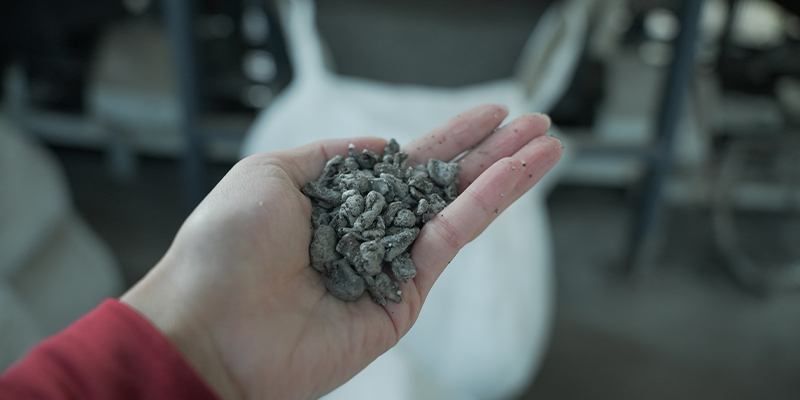
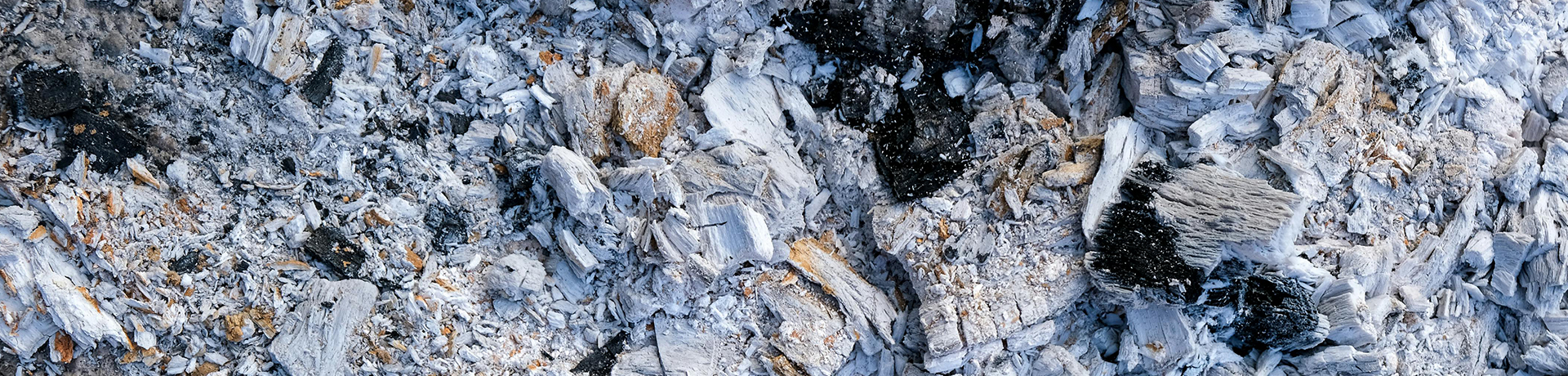
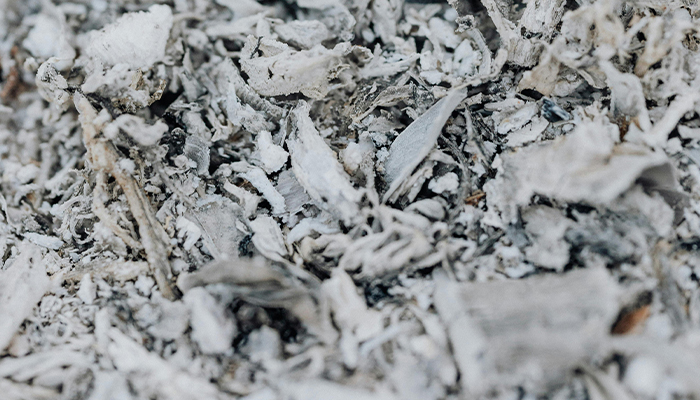
Incineration bottom ash is a by-product of municipal solid waste (MSW) incineration, accounting for approximately 20%–30% of the total waste. It is mainly composed of glass, slag, ceramics, brick and stone fragments, rocks, iron, and other metals. Without proper treatment, it will lead to secondary environmental pollution.

What can we do,our superiority

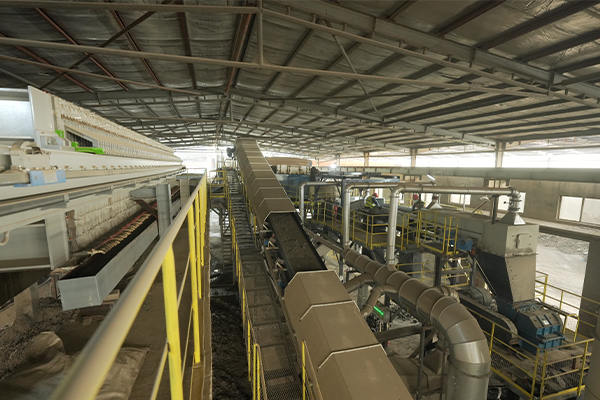
How does our machine work?
Bottom ash can be processed into aggregates with properties similar to natural aggregates or materials used in the cement industry. It can be reused in applications such as brick making, cement production, and road base construction. This approach not only meets environmental requirements, but also enables more effective use of waste materials. Our equipment is designed for automatic operation and includes fault alarm functions, helping reduce the need for manual supervision and improving overall efficiency. We also provide a full range of services, including solution design, installation and commissioning, as well as operation and maintenance training, to support stable and reliable project delivery.
Back-end recycling

INPUT MATERIALS

Municipal solid waste incineration bottom ash

OUTPUT MATERIALS
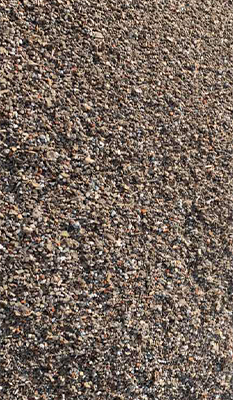
Recycled aggregates

metals

unburnt residues

filter cake

1Eddy Current Separation
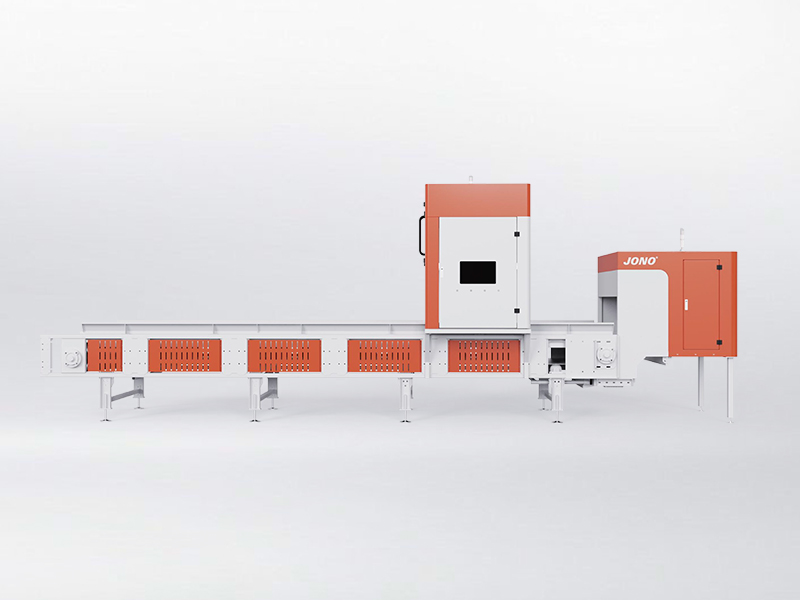
Used to recover non-ferrous metals such as aluminum and improve overall recovery rates. When materials pass through an alternating magnetic field at a certain speed, eddy currents are induced in non-magnetic conductive metals. Due to the relative motion between the material stream and the magnetic field, a repulsive force is generated on these metal particles. Based on this principle, some non-ferrous metals can be separated from the mixed material flow.
2Density-Based Water Separation
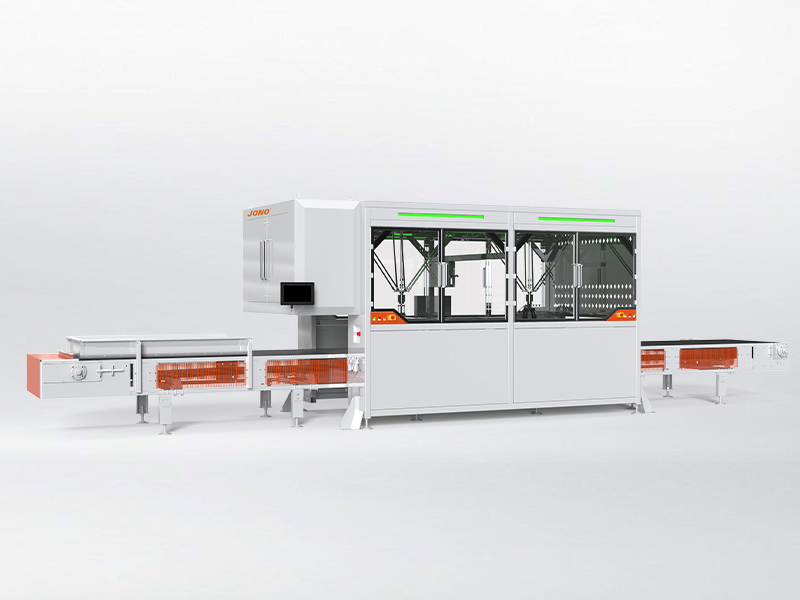
Separation is achieved using water as the medium, based on differences in material density. Jig Separator, As the core gravity separation equipment, the jig uses water as the processing medium and separates materials based on the density difference between metals and bottom ash. This enables effective separation of non-ferrous metals from non-metallic materials.
Core technologies
01
Full Resource Recovery and Value Utilization
Through a series of processes—including screening, magnetic separation, crushing, and density separation, unburned residues and various valuable metals (such as iron, aluminum, copper, stainless steel) are separated from the bottom ash. The metal recovery rate is high and the economic benefits are good. The remaining material is further processed into graded recycled aggregates for comprehensive reuse.
02
Zero Wastewater Discharge
The prodcution wastewater is fully recycled within the system, achieving zero wastewater discharge and preventing secondary pollution. Sludge-containing wastewater is treated through sedimentation and dewatering using a filter press. The resulting filter cake is either transported off-site or reused in brick production, while the clarified water is recirculated, enabling both water conservation and zero discharge.
Our Project Cases
Liaoning MSWI Bottom Ash Resource Utilization Project

Liaoning MSWI Bottom Ash Resource Utilization Project

China

500 T/D

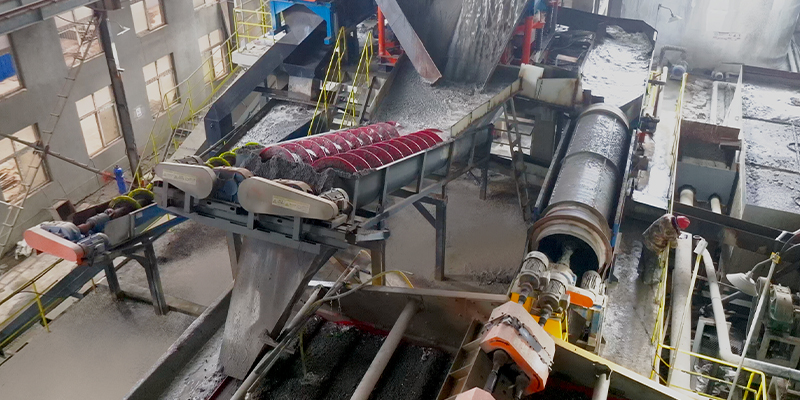
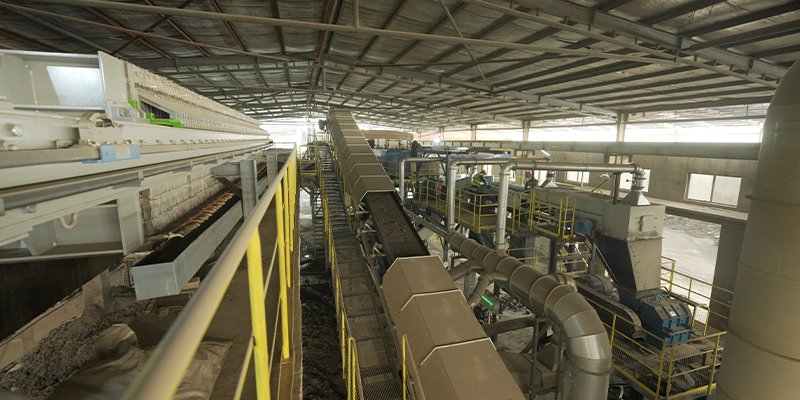
The Liaoning municipal solid waste incineration (MSWI) bottom ash resource utilization project was put into operation in 2024, with a design capacity of 500 tons per day. The facility processes bottom ash generated from the municipal waste-to-energy plant.

The project mainly processes bottom ash generated from a municipal waste-to-energy plant through several physical separation methods. The process includes screening, magnetic separation, density separation, and eddy current separation to recover ferrous metals, aluminum, and a small amount of non-ferrous metals such as copper, while also producing recycled aggregates for construction use.

The recovered metals are sent to recycling facilities for further processing. The coarse and fine aggregates are supplied to brick manufacturers and building material producers for reuse, helping to improve overall resource utilization.
Related Equipment