Resource Recycling Solution
Material Recovery Facility
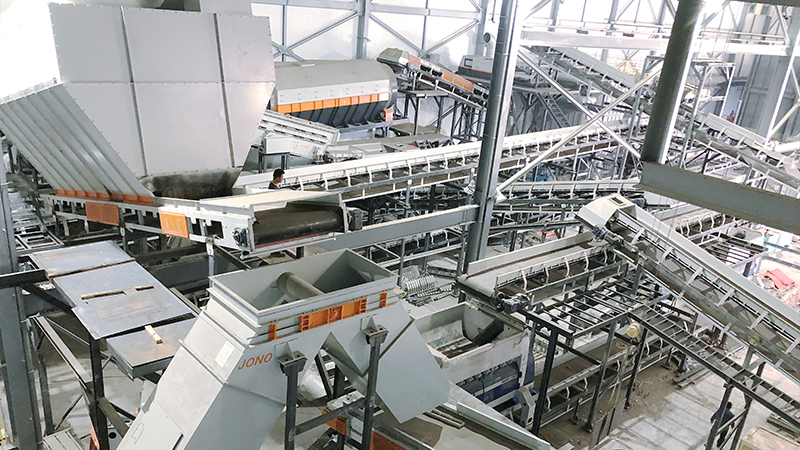
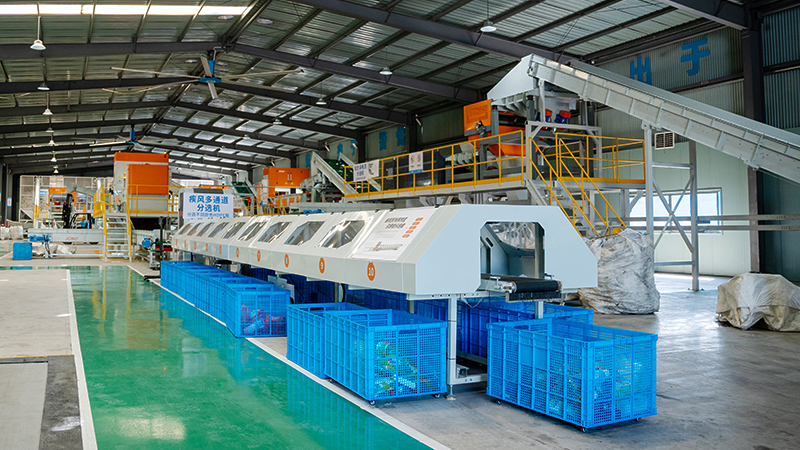
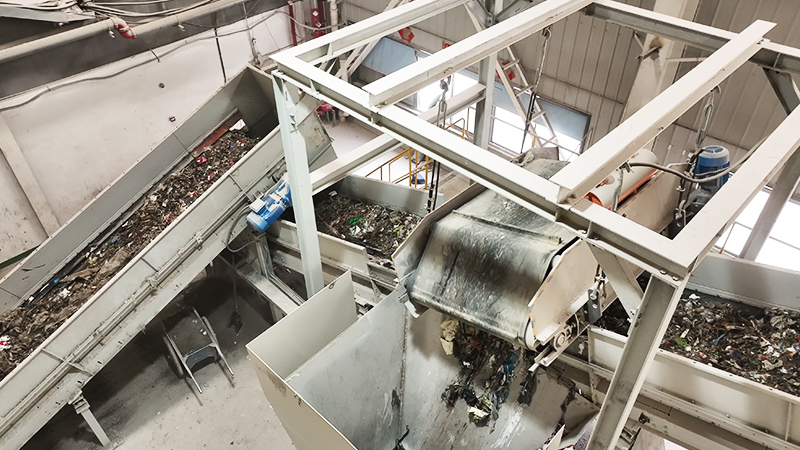
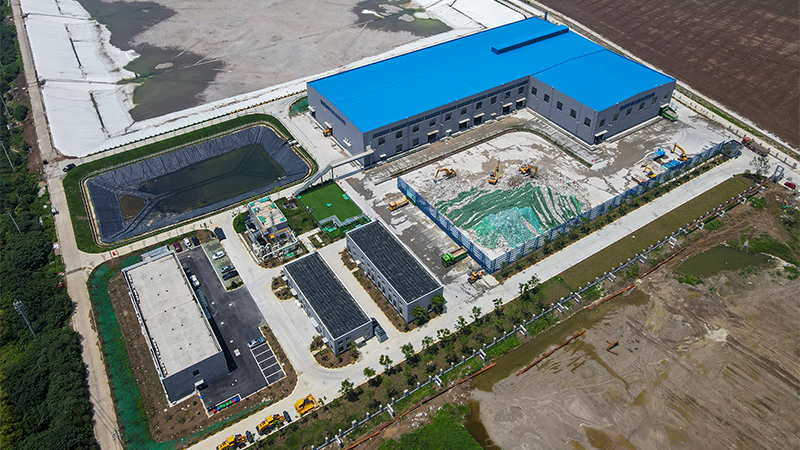
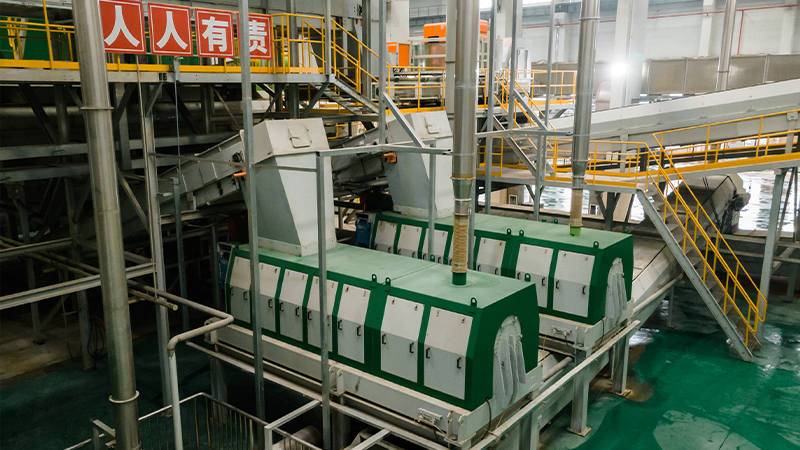
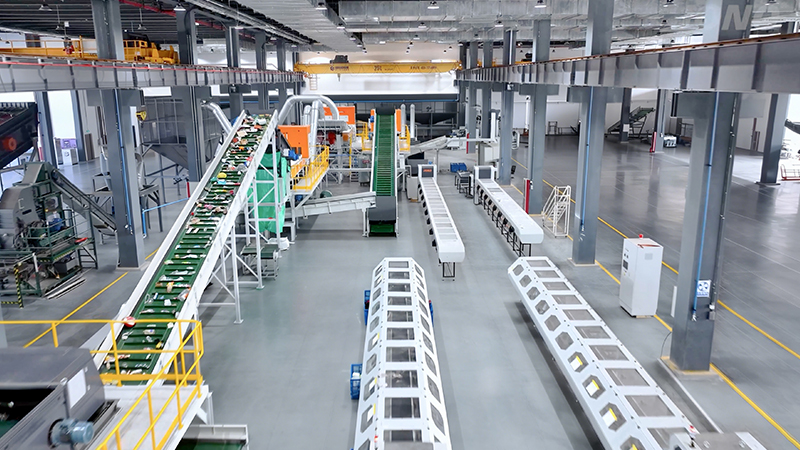
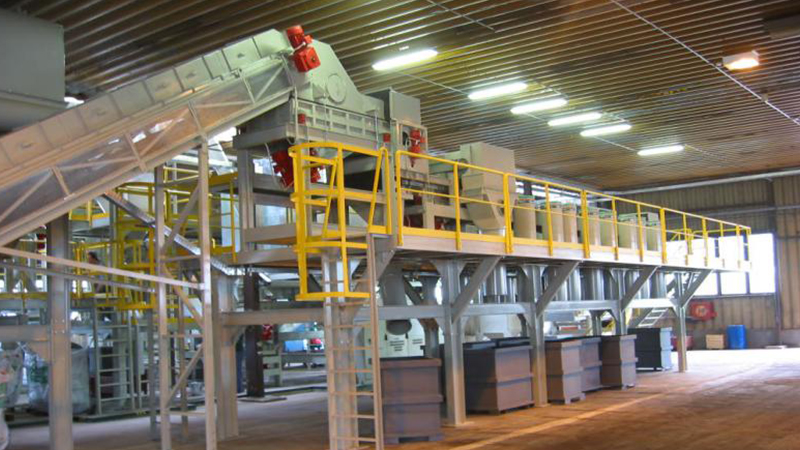
Municipal Solid Waste (MSW) refers to mixed waste generated daily from households, commercial activities, and public facilities. A Municipal Solid Waste Material Recovery Facility (MRF) is an intelligent sorting center that integrates AI-based visual recognition, hyperspectral near-infrared sensing, and robotic technologies to achieve fully automated sorting of mixed waste.
Single Stream Recycling
SRF & RDF
Mixed and heterogeneous feedstock often leads to excessive chlorine and sulfur levels in SRF, increased ash content, and accelerated equipment wear. Chlorine-containing materials can generate corrosive hydrogen chloride (HCl) at high temperatures and may also trigger carcinogenic dioxin emissions. In addition, non-standard products—with inconsistent particle size and density—are difficult to match the operational requirements of cement kilns or power plants, resulting in co-firing ratios that typically remain below 10%.
C&D Waste
Construction and demolition (C&D) waste originates from building construction, renovation, and demolition activities, and mainly consists of materials such as concrete, bricks, and metals. Through mechanical sorting, recycled aggregates, metals and recyclable light materials can be obtained, which can be used in road construction, building materials, and metal recycling. This helps reduce landfill disposal and promotes resource circulation and sustainable development.
Organic Waste
Kitchen waste refers to food residues, food processing waste, expired food, and discarded edible oils and fats generated by food production and catering service activities.
Plastic Recycling
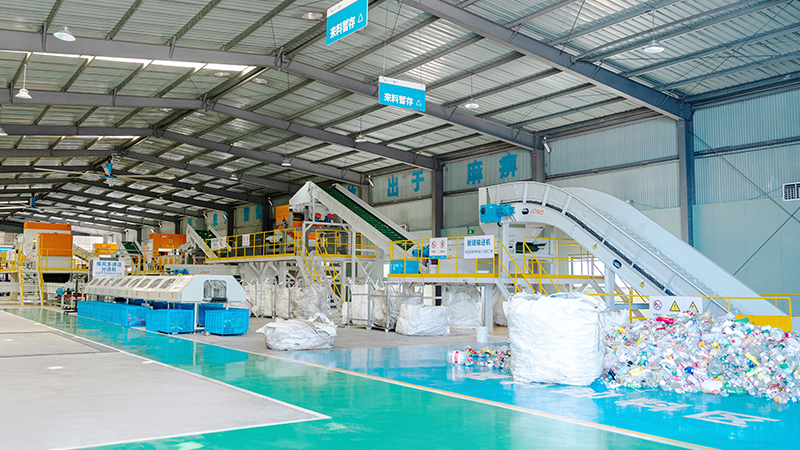
Plastic recycling is a critical measure in addressing global environmental challenges. It not only reduces ocean pollution and protects soil health, but also significantly lowers carbon emissions. Economically, it promotes efficient resource utilization and helps industries reduce costs while increasing efficiency. We are committed to continuously enhancing the value and circular quality of plastics through innovative recycling solutions, achieving maximum material utilization and closed-loop material flow.
Waste Textile
Recycling of waste textiles is an important measure to promote green development.From an environmental perspective, it can effectively reduce pollution caused by landfill and incineration of waste, lower resource consumption and carbon emissions,contributing to ecological protection.From an economic perspective, it can achieve the recycling of waste resources, reduces raw material costs, and supports the growth of new industrial chains and job opportunities.However, the industry still faces several challenges, especially in the pre-treatment and sorting stage.
Incineration Bottom Ash
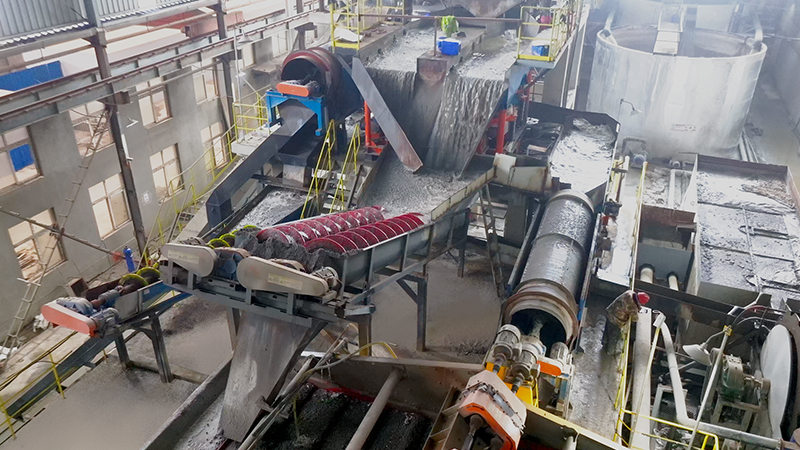
Incineration bottom ash is a by-product of municipal solid waste (MSW) incineration, accounting for approximately 20%–30% of the total waste. It is mainly composed of glass, slag, ceramics, brick and stone fragments, rocks, iron, and other metals. Without proper treatment, it will lead to secondary environmental pollution.
Recycled Metal Sorting
Recycled metals are a key component of the circular economy and are widely used in construction, home appliances, automotive, and electronics industries.
In recent years, the industry has been shifting from conventional rough sorting to more precise classification. Traditional methods often struggle with mixed materials, inconsistent purity, high labor dependency, and growing environmental requirements.
Improving sorting accuracy and efficiency has therefore become essential for achieving higher value recovery.