Precision Engineering, Sustainable Impact
SOLUTIONS
SOLUTIONS

What is C&D Waste?

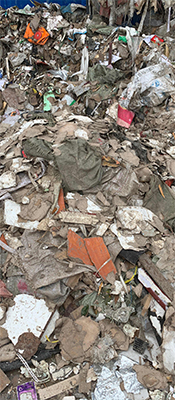
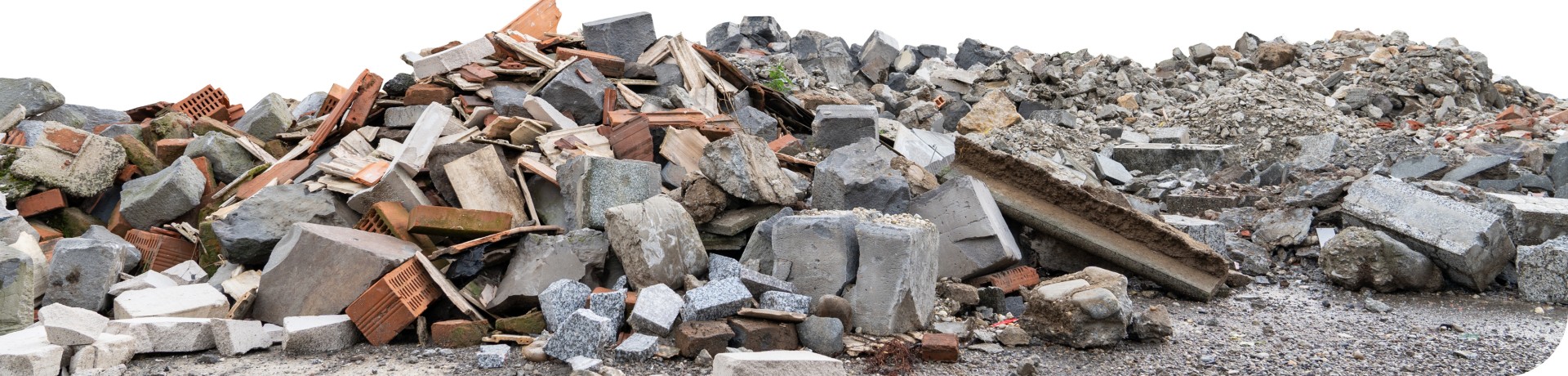
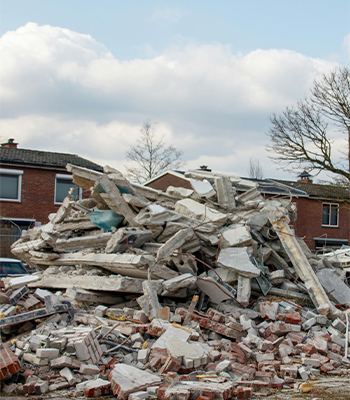
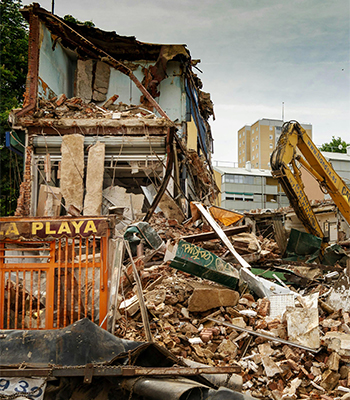
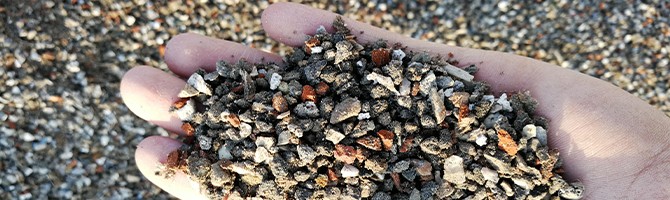
Construction and demolition (C&D) waste originates from building construction, renovation, and demolition activities, and mainly consists of materials such as concrete, bricks, and metals. Through mechanical sorting, recycled aggregates, metals and recyclable light materials can be obtained, which can be used in road construction, building materials, and metal recycling. This helps reduce landfill disposal and promotes resource circulation and sustainable development.

What can we do,our superiority

How does our machine work?
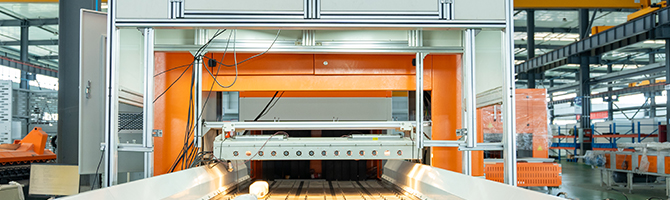
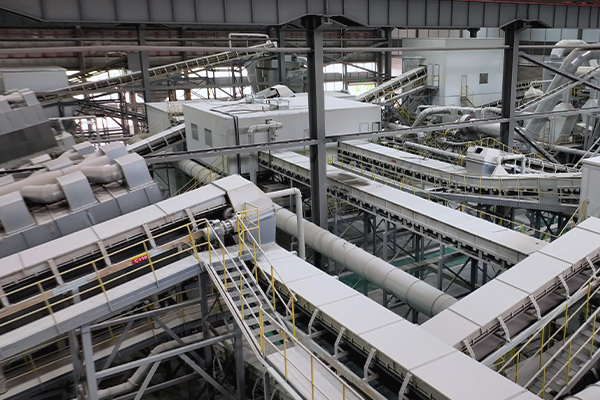
JONO applies an “intelligent sorting + resource utilization” approach, combining technologies such as crushing, screening, and AI-based recognition, to convert construction and demolition waste into recycled aggregates, building materials, and other products, forming a closed-loop resource circulation system. This helps address problems such as difficult waste classification, low utilization rates, and landfill pressure, while reducing clients’ disposal costs and environmental risks, and achieving the goals of waste reduction, harmless treatment, and resource recovery.
Back-end recycling

INPUT MATERIALS

construction waste

demolition waste

OUTPUT MATERIALS
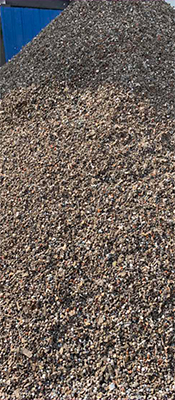
recycled aggregates

metals

combustibles

muck
1Multi-Stage Physical Sorting System
The system utilizes a primary screening unit to classify construction and demolition waste by particle size, separating oversized contaminants like furniture and large chunks of concrete or bricks to complete the initial coarse screening. A secondary screening stage then further separates fine materials like muck, sand and gravel, laying the foundation for subsequent refined sorting.
2Intelligent Identification and Precise Sorting
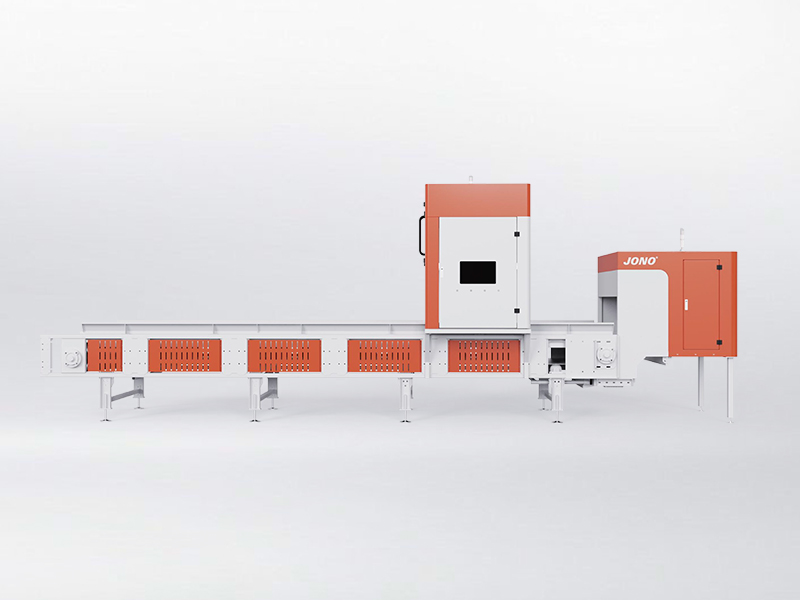
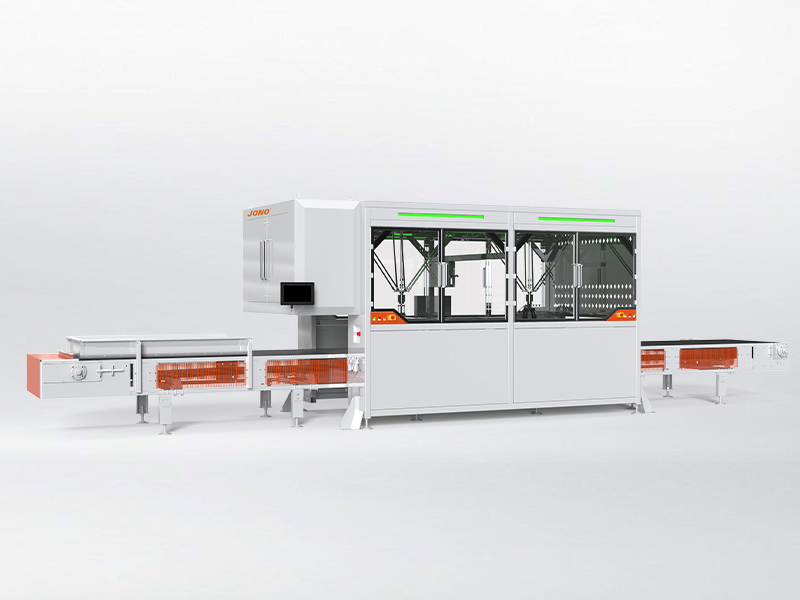
By integrating image recognition and near-infrared (NIR) spectroscopy technologies, the system employs intelligent sorting robots and optical sorting equipment to accurately identify recyclable materials (such as plastics, wood, and textiles). It can distinguish differences in material type, color, and shape, enabling precise removal of impurities and categorized collection of high-value recyclables, thereby improving sorting purity.
Core technologies
01
Intelligent Fine Sorting
Using AI-powered visual recognition and multi-sensor fusion technologies, the system can accurately identify and automatically sort complex C&D waste. This greatly improves both efficiency and purity, while reducing reliance on manual sorting.
02
Efficient Resource Recovery
With a combination of crushing, screening, and air separation, mixed waste is converted into recycled aggregates, construction materials, and alternative fuels — turning waste into valuable resources and increasing recovery rates.
03
Integrated System Solution
From collection and pre-treatment to sorting and final reuse, we provide a complete, end-to-end solution. This ensures better control of the entire process and solves common issues like unregulated disposal.
04
Stable and Reliable Equipment
Based on years of experience in solid waste treatment and the R&D capabilities of complete sets of equipment, our equipment is designed to work seamlessly together, ensuring stable operation and consistently high performance over time.
05
Cost Savings and Added Value
The system helps reduce landfill and transportation costs, lowers compliance risks, and creates new revenue streams through recycled materials — delivering both economic and environmental benefits.
Our Project Cases
Shanghai C&D Waste Treatment Project

Shanghai C&D Waste Treatment Project

China

1500 T/D

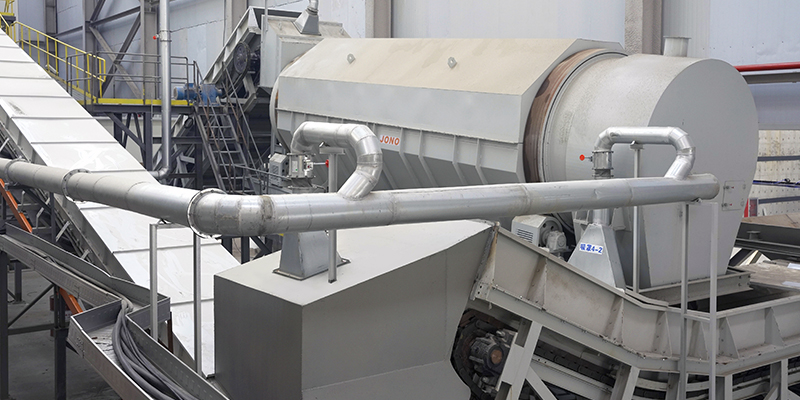
This project processes approximately 500,000 tons of construction and demolition waste annually, including 1,000 tons/day of renovation waste and 500 tons/day of demolition waste. It is equipped with multiple material buffering zones and pre-sorting storage areas, all integrated within a unified C&D waste treatment facility.

In terms of process design:

  • Demolition wasteadopts a process of two-stage crushing + two-stage screening + multi-stage impurity separation.
  • Renovation wasteadopts a process of two-stage crushing (with reserved bag-opening function) + two-stage screening + AI-powered fine sorting technologies and equipment + multi-stage impurity separation.

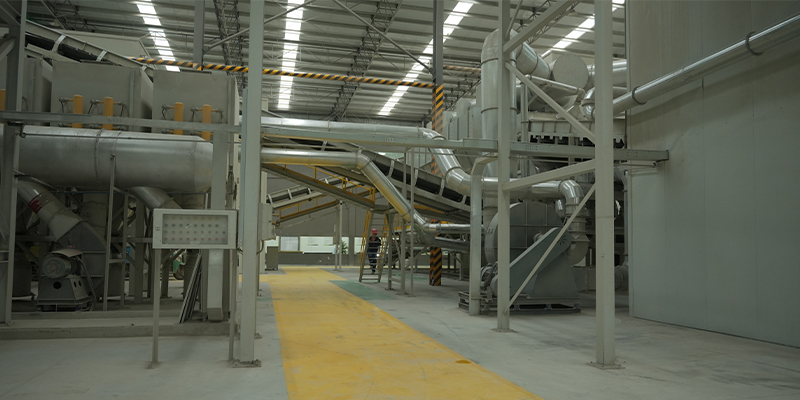
After processing, recycled aggregates, ferrous metals, non-ferrous metals, lightweight materials (such as paper, plastics, textiles, and wood), as well as non-combustible residues can be separated. The facility is also equipped with dust suppression and noise reduction systems.
JiangSu C&D Waste Treatment Project

JiangSu C&D Waste Treatment Project

China

2000 T/D

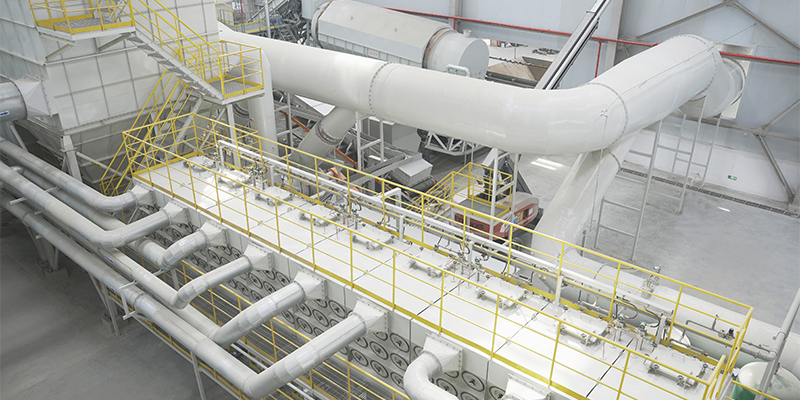
The project is designed based on a study of the composition of renovation waste and demolition waste in the local area. It adopts a mature and stable process and is equipped with intelligent equipment like screening equipment, sorting equipment, intelligent sorting robots, and optical sorting machines.

The system applies technologies such as physical screening, density separation, image recognition, optical recognition, and AI-based learning.

For the final products, storage and discharge are handled through automated material distribution and automatic loading systems, avoiding secondary transfer and dust generation, while reducing operating costs and improving operational efficiency.
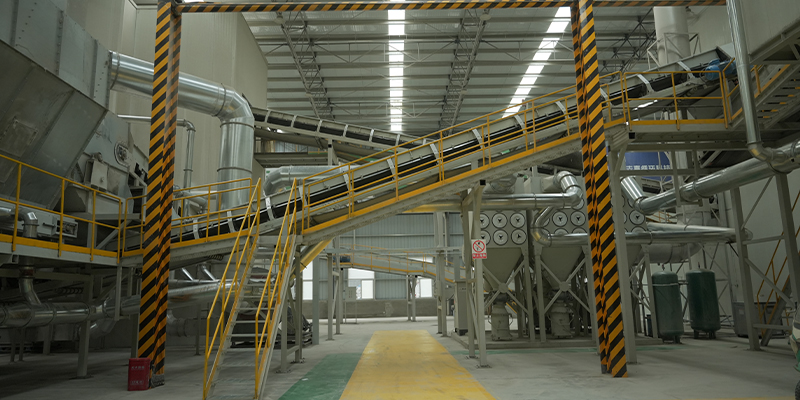
Chengdu District Construction Waste Resource Integration Demonstration Project

Chengdu District Construction Waste Resource Integration Demonstration Project

China

4000 T/D

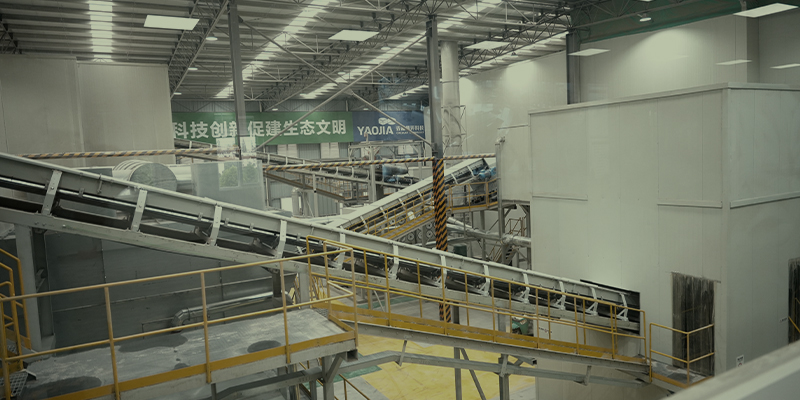
This project plans to build a system with an annual processing capacity of 1.5 million tons of construction waste, including 1 million tons per year of demolition waste and 500,000 tons per year of renovation waste.

In terms of process configuration, three dedicated treatment lines for renovation waste are installed (each with a capacity of 85 t/h). Among them, one line (located near the demolition waste treatment area) is also capable of co-processing demolition waste.

At the same time, an independent demolition waste treatment line with a processing capacity of 250 t/h is also constructed, forming a comprehensive treatment system that combines dedicated and co-processing lines and covers all types of construction waste.
Related Equipment