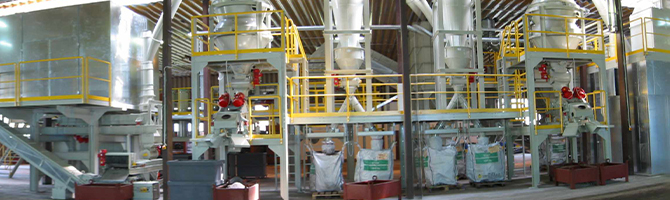
Precision Engineering, Sustainable Impact
SOLUTIONS
SOLUTIONS
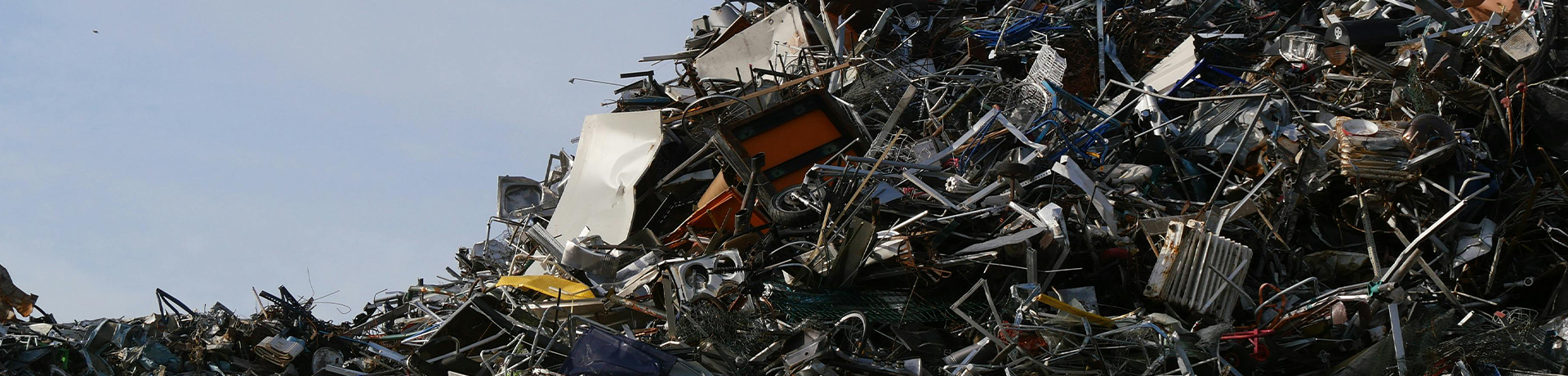
What is Recycled Metal Sorting?
Recycled metals are a key component of the circular economy and are widely used in construction, home appliances, automotive, and electronics industries.
In recent years, the industry has been shifting from traditional rough sorting to high-precision fine sorting. Traditional processes generally suffer from mixed materials, inconsistent purity, high reliance on manual labor, and difficulties in meeting increasingly stringent environmental requirements.
What can we do,our superiority
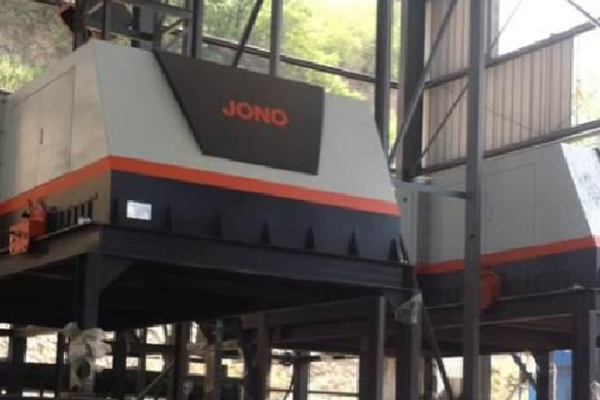
How does our machine work?
By integrating technologies such as LIBS, XRT, and optical sorting, we provide a complete sorting solution that helps upgrade operations from basic separation to more precise material classification.
1Achieving a recognition rate of over 95%
Magnetic induction combined with multi-sensor fusion technology enables precise identification of ferrous and non-ferrous metals including stainless steel. With the integration of multiple sensors, it significantly improves sorting accuracy for complex materials, achieving a recognition rate of over 95%.
2Intelligent Identification and Precise Sorting
AI-based visual recognition technology, powered by deep learning algorithms, enables identification of material characteristics such as shape and color, supporting automated sorting of electronic waste and reducing reliance on manual labor.
01
Sorting accuracy is industry-leading, with aluminum purity exceeding 98% and alloy and stainless steel identification rates above 95%. This significantly outperforms traditional processes and enhances product value and pricing potential.
02
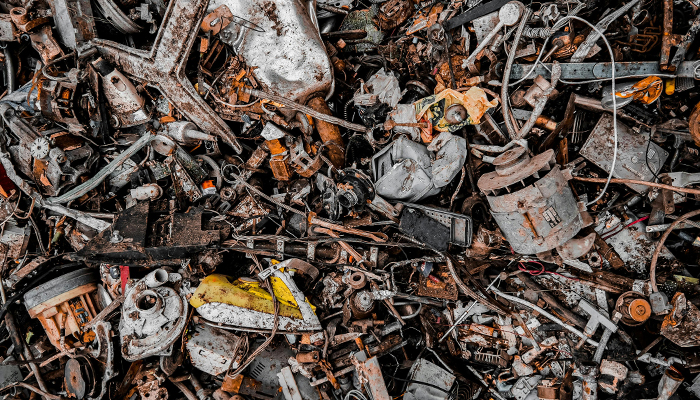
Suitable for a variety of materials including scrap aluminum, stainless steel, and electronic waste, covering the full process from primary to refined sorting.
03
Maximized resource recovery is achieved by accurately identifying areas with higher concentrations of valuable metals. The metal recovery rate exceeds 99%, reducing resource loss and supporting higher-value utilization of recycled metals.
04
Lower dependence on manual sorting significantly reduces labor costs, while improving overall processing efficiency.
05
The system operates with low dust and noise levels, minimizing environmental impact and meeting regulatory requirements.
06
The entire process is controlled by a PLC + intelligent system, enabling one-touch start/stop, real-time data visualization, and simple operation with convenient maintenance.